Ultimate Move-In / Move-Out Walkthrough Checklist (Free Download)
Ultimate Move-In / Move-Out Walkthrough Checklist (Free Download)
Introduction
Moving into or out of a rental property can be stressful for both landlords and tenants. One of the best ways to protect everyone involved is by conducting a move-in and move-out walkthrough inspection. These rental inspections create a clear record of the property’s condition, help prevent disputes, and ensure security deposits are handled fairly.
In this complete guide, you’ll get:
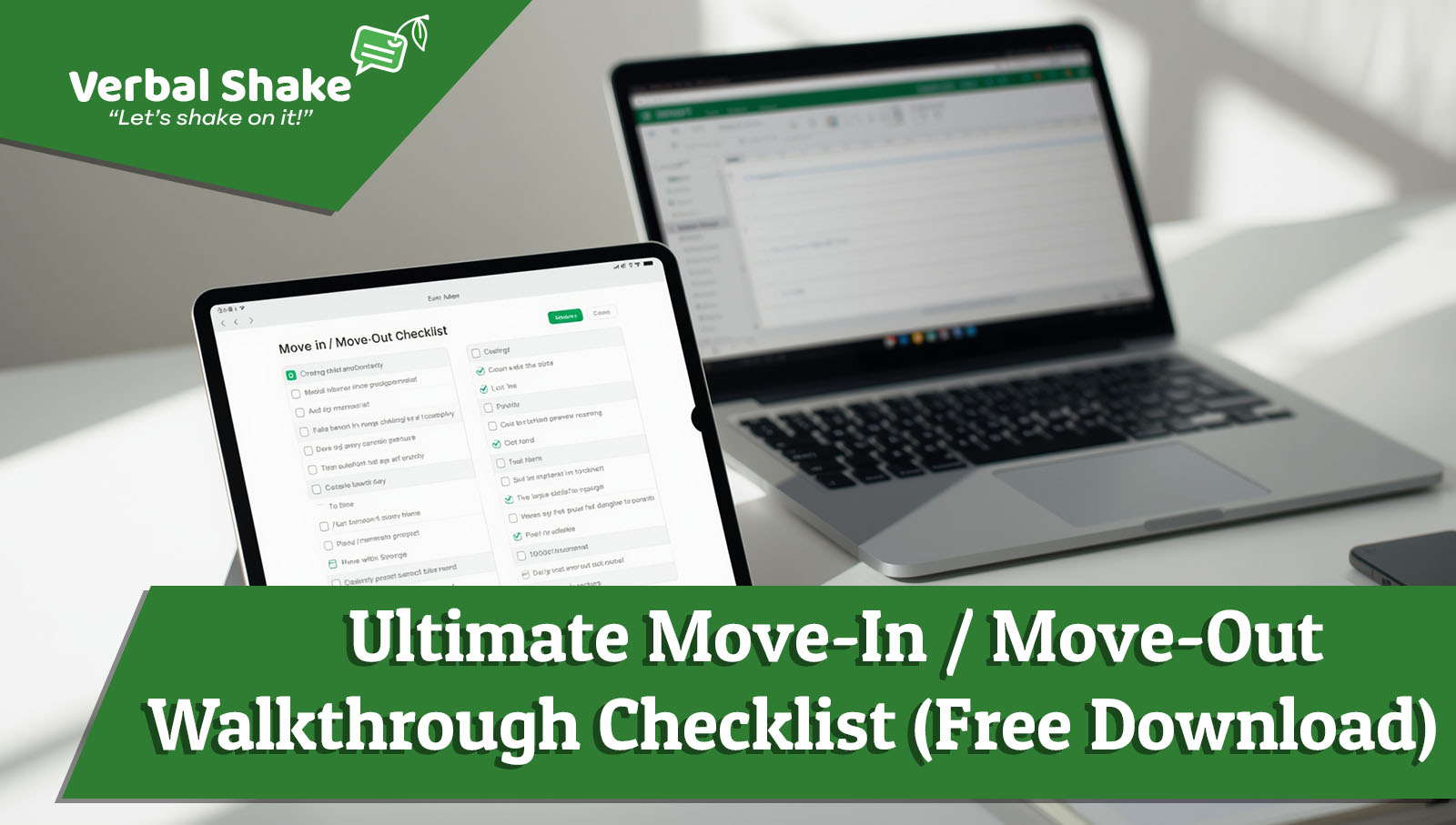
- A free printable checklist in PDF, Excel, and Google Sheets
- A detailed room-by-room walkthrough guide with examples
- Expert tips on normal wear and tear vs. damage
- Step-by-step instructions to document inspections properly
✅ Whether you’re a landlord protecting your investment or a tenant safeguarding your deposit, this move-in/move-out checklist keeps everything clear and fair.
What Is a Move-In / Move-Out Walkthrough?
A move-in/move-out walkthrough inspection is a detailed review of the rental property’s condition at the start and end of a lease.
- Move-in walkthroughs establish a baseline record before the tenant occupies the property.
- Move-out walkthroughs compare the current condition against the original move-in record.
When done properly, walkthrough inspections reduce misunderstandings, protect security deposits, and keep landlord–tenant relationships professional.
Free Download – Printable Move-In / Move-Out Checklist
Click below to download the exact forms landlords and tenants use to simplify inspections:
- PDF – print and check off items by hand
- Excel / Google Sheets – track conditions digitally
Room-by-Room Walkthrough Guide
A good rental property inspection checklist goes room by room, making sure nothing is missed. Use this guide alongside the free printable checklist to ensure consistency.
Kitchen
The kitchen is one of the most heavily used areas in any rental, making it a common source of disputes during move-out inspections.
| Item to Inspect | What to Check | Normal Wear & Tear | Damage |
|---|---|---|---|
| Appliances | Test stove, oven, fridge, dishwasher, microwave | Light surface scratches | Broken appliance, not working |
| Cabinets & Counters | Open every door/drawer, check under sink for leaks | Minor scuff marks | Water damage, burn marks |
| Sink & Plumbing | Run water, test hot/cold, check drainage | Slightly worn faucet finish | Leaks, low water pressure |
| Flooring | Inspect tiles/vinyl for chips, stains, soft spots | Small scuffs | Broken tiles, major stains |
Pro Tip: Run the dishwasher for 2–3 minutes, then open it and check for leaks or steam escaping from the door seal. Snap a photo inside the fridge (including shelves and drawers) to document cleanliness at move-in.
Living Room & Common Areas
Shared spaces set the tone of the rental and need thorough documentation.
| Item to Inspect | What to Check | Normal Wear & Tear | Damage |
|---|---|---|---|
| Walls & Ceilings | Look for holes, cracks, water stains | Light nail holes | Large holes, water damage |
| Flooring/Carpet | Note stains, scratches, worn spots | Faded color from sunlight | Large stains, burns |
| Windows & Fixtures | Open/close windows, test locks, check lights | Dust on blinds | Broken locks, shattered glass |
| Smoke/CO Detectors | Test all alarms | Slight yellowing | Missing/broken detectors |
Pro Tip: Photograph the carpet from multiple angles, especially near doorways and under windows where leaks show first. Record a 10-second video panning walls and ceiling to capture hairline cracks or stains.
Bedrooms
Often overlooked, bedrooms still carry important inspection points.
| Item to Inspect | What to Check | Normal Wear & Tear | Damage |
|---|---|---|---|
| Closets | Doors, shelves, rods secure | Minor scratches | Broken shelves, missing rods |
| Electrical | Test outlets & switches | Normal use marks | Non-working outlet |
| Windows & Locks | Smooth operation, secure locks | Slight draft | Broken latch, cracked window |
| Flooring | Stains, scratches, loose boards | Minor carpet wear | Burns, deep scratches |
Pro Tip: Plug a phone charger into every outlet and wiggle the plug slightly—loose outlets are a safety issue. Open/close every closet door to catch track or hinge problems early.
Bathrooms
Moisture makes bathrooms prone to issues if not documented properly.
| Item to Inspect | What to Check | Normal Wear & Tear | Damage |
|---|---|---|---|
| Fixtures | Test sinks, toilets, tubs, showers | Slight water spotting | Leaks, non-working toilet |
| Water Pressure | Confirm steady flow | Slightly weaker stream | No hot water, major pressure issue |
| Mold & Caulking | Inspect grout/tiles for mold/mildew | Slight grout discoloration | Black mold, cracked caulking |
| Ventilation | Turn on exhaust fans | Dusty vent | Broken or missing fan |
Pro Tip: Run the shower on hot for 60–90 seconds, then check mirrors/windows for excessive condensation (poor ventilation). Use a tissue around toilet base and under sink pipes—if it dampens, you’ve got a leak.
Entry & Exterior
The first impression matters — plus many safety issues are tied to exteriors.
| Item to Inspect | What to Check | Normal Wear & Tear | Damage |
|---|---|---|---|
| Locks & Keys | Test all entry points, confirm tenant has keys | Slight stiffness | Broken lock, missing keys |
| Exterior Lighting | Porch lights, motion sensors | Bulb nearing end of life | No working light |
| Landscaping | Lawn, shrubs, sprinklers | Grass slightly dry | Dead lawn, broken sprinklers |
| Garage/Patio | Test garage doors, inspect patios/balconies | Paint fading | Cracked concrete, unsafe railing |
Pro Tip: Take evening photos of entry lights and motion sensors to show they worked at move-in. For safety, video the garage door opening/closing and include the auto-reverse test with a small box under the door.
Move-In vs. Move-Out – Key Differences Landlords and tenants often confuse the purpose of move-in and move-out inspections. While both serve to document a property’s condition, they happen at different stages of the lease and focus on different details.
| Move-In Inspection | Move-Out Inspection |
|---|---|
| Conducted before the tenant moves in | Conducted as the tenant moves out |
| Establishes a baseline record of property condition | Compares property condition against move-in record |
| Notes all existing issues, even minor scuffs | Identifies new damage or excessive wear |
| Includes photos/videos and signed checklist | Determines how much of the security deposit is withheld |
| Goal: Protect tenant from being charged for pre-existing damage | Goal: Protect landlord from paying for tenant-caused damage |
Pro Tip: Always schedule the move-out walkthrough at a time when the property is empty and clean. This ensures damages aren’t hidden by furniture, clutter, or dirt — and it makes documentation clearer for both landlord and tenant.
In short: A move-in inspection is about documenting everything at the start of a lease, while a move-out inspection is about comparing conditions at the end. Together, they create a fair system that protects tenants from unfair charges and landlords from unpaid damages.
Normal Wear and Tear vs. Damage
One of the biggest sources of disputes between landlords and tenants is whether an issue counts as normal wear and tear or tenant-caused damage. Knowing the difference is critical for handling security deposits fairly.
- Normal wear and tear = gradual deterioration from ordinary, responsible use of the property.
- Damage = harm caused by negligence, misuse, abuse, or accidents that goes beyond everyday use.
| Normal Wear & Tear | Damage |
|---|---|
| Faded or lightly scuffed paint | Large holes in the wall or unauthorized paint colors |
| Loose door handle from years of use | Broken door, kicked-in frame, or missing hardware |
| Minor carpet wear in high-traffic areas | Large stains, burns, or pet urine damage on carpet |
| Slightly worn countertop finish | Burn marks, deep scratches, or broken countertop sections |
| Hairline cracks in plaster from settling | Water damage, mold growth, or major structural cracks |
Pro Tip: Ask yourself, “Would this happen naturally over time?” If yes, it’s likely wear and tear. If it resulted from neglect or misuse, it’s damage.
In short: Landlords should budget for normal wear and tear as part of routine upkeep. Tenants are responsible for repairing or paying for damages that go beyond everyday use.
Laws and Regulations by State
Each state has its own landlord–tenant laws that affect move-in/move-out inspections and security deposit returns. While a few states require a formal pre–move-out inspection, most do not. The biggest differences across states are the security deposit return timelines, which commonly range from 15 to 60 days.
| States | Inspection Requirement | Deposit Return Timeline |
|---|---|---|
| California | Pre–move-out inspection offered if requested by tenant | 21 days |
| Florida, Massachusetts, Hawaii | No mandatory walkthrough | 15 days |
| New York, Texas, Georgia, Ohio, Pennsylvania, Illinois (and many others) | Walkthrough not required (strongly recommended) | 30 days |
| Washington, Michigan, Kentucky | Move-out documentation required; walkthrough optional | 45 days |
| Arkansas | No mandatory walkthrough | 60 days |
| Montana, Wisconsin | No mandatory walkthrough | 21 days |
How to Document a Walkthrough
Thorough documentation is what turns a basic move-in/move-out inspection into a fair, dispute-proof process. Use the steps below to create a defensible record that protects both the landlord and the tenant.
Before You Start: What to Bring
- Checklist (printed or digital), pens/marker
- Phone or camera with time/date stamping enabled (avoid filters; keep originals)
- Video capability (10–30 sec room pans)
- Flashlight (under sinks, closets, behind appliances)
- Small item for scale (coin/tape measure) for close-ups
- Paper towels/tissue (quick leak test under sinks/toilets)
- Optional: outlet tester, step stool, blue painter’s tape to mark issues temporarily
Timing & Scheduling
- Move-in walkthrough: Within 24–48 hours of key handoff (ideally before furniture arrives)
- Pre–move-out walkthrough: 3–7 days before move-out so tenants can address issues
- Final move-out walkthrough: After cleaning, when the unit is empty
Step-by-Step Process (Move-In & Move-Out)
- Start outside: Photograph the exterior, door, mailbox, parking space, and any existing damage.
- Capture meters & keys: Shoot gas/electric/water meter readings and all key sets, fobs, remotes.
- Go room-by-room clockwise: Consistency matters for later comparisons.
- Wide shots first: Take 4 corner photos per room (showing floor to ceiling), then ceilings, floors, windows, and doors.
- Functional tests:
- Water (hot/cold, pressure, drainage), flush toilets
- Appliances (run dishwasher 2–3 minutes; test burners/oven; fridge light & shelves)
- Electrical (use a phone charger on every outlet; test switches)
- Smoke/CO detectors (press test)
- Close-ups with scale: Photograph chips, cracks, stains with a coin/tape for size reference.
- Note condition codes on the checklist and add a quick comment:
- E = Excellent, G = Good, F = Fair, D = Damaged
- Example: “BR1 window latch loose; locks but sticks. Photo 2025-09-16_123.”
- Record serials & consumables: Appliance serial numbers; filter change dates; paint/sheens if known.
- Sign & share: Both parties sign the checklist; exchange a copy the same day.
Photo & Video Best Practices
- Lighting: Turn on all lights; open blinds. Avoid backlit shots when possible.
- Angles: Replicate the same angles at move-out to enable side-by-side comparisons.
- Counts (guideline):
- Kitchen: 10–20 photos
- Bathroom: 6–12
- Living/Dining: 6–12
- Bedrooms: 5–10 each
- Entry/Exterior/Storage: 8–15
- Video: 10–30 sec pan per room with brief audio notes (e.g., “Primary bath—no visible grout cracks.”)
File Naming & Folder Structure
- Filename format:
YYYY-MM-DD_Address_Room_Item_Issue#.jpg
Example:2025-09-16_123-ElmSt_Kitchen_Counter_BurnMark-01.jpg - Folders:
Address > YYYY-MM > Move-InandAddress > YYYY-MM > Move-Out - Keep originals (metadata intact). Share a zipped folder or cloud link with read-only access.
Sample Notes You Can Reuse
- “LR ceiling—no stains; hairline settlement crack above window (photo 034).”
- “Kitchen sink—no leaks after 60-sec run; P-trap dry (photo 057).”
- “BR2 carpet—preexisting 2” coffee stain near closet (photo 088).”
Move-Out Specifics (Comparing to Move-In)
- Recreate the same photo angles; call out new vs. preexisting items in comments.
- Distinguish cleaning vs. damage (e.g., soap scum vs. scratched tub surface).
- For deductions: document with photos, invoices/receipts, and line-item costs; send within your state’s deposit return timeline.
Pro Tips
- Leak check hack: Run hot water, then wipe the P-trap and shutoff valves with a tissue; damp = leak.
- Scale matters: Place a coin or tape measure in close-ups to avoid “that scratch was tiny” arguments.
- Keep it consistent: Same order, same angles, same labels—your future self (and a mediator) will thank you.
- Share quickly: Send the signed checklist + link to photos within 24 hours to build trust.
Common Mistakes Landlords & Tenants Make
Even with a solid move-in/move-out checklist, small oversights can turn into big deposit disputes. Here are the most common pitfalls — and exactly how to avoid them.
- Skipping the move-in checklist
Why it matters: Without a baseline, you can’t fairly compare at move-out.
Fix: Complete the move-in inspection together, sign it, and save copies (photos + checklist) the same day.
- Not scheduling a joint inspection
Why it matters: One-sided notes invite disagreement later.
Fix: Do walkthroughs together (move-in and move-out). If someone can’t attend, use video and share files immediately.
- Vague notes (no photos, no timestamps)
Why it matters: “Scuffed wall” won’t hold up in a dispute.
Fix: Pair clear photos/videos with specific notes: “2-inch scuff, LR east wall, photo 2025-09-16_034.”
- Missing the “small stuff” (drips, loose latches, hairline cracks)
Why it matters: Small issues become “new damage” at move-out if not recorded.
Fix: Use a room-by-room property inspection checklist and capture close-ups with a coin/tape for scale.
- Not testing function (water, appliances, outlets, detectors)
Why it matters: Hidden issues surface after move-in and trigger blame.
Fix: Run functional tests: water pressure and drainage, stove/oven, dishwasher (2–3 min), outlets/switches, smoke/CO detectors.
- Move-out done before cleaning or while furniture is present
Why it matters: Dirt and furniture hide damage and skew comparisons.
Fix: Schedule the final move-out walkthrough after cleaning and with the unit empty.
- No pre–move-out walkthrough window
Why it matters: Tenants don’t get a chance to fix issues, increasing deductions.
Fix: Offer a pre–move-out walkthrough 3–7 days in advance with a punch list of fixable items.
- Forgetting keys, remotes, meter readings
Why it matters: Missing items = fees; wrong readings = billing disputes.
Fix: Photo all key sets/fobs/remotes and utility meters at move-in and move-out.
- Charging for normal wear and tear
Why it matters: It’s not deductible in most cases and invites disputes.
Fix: Use the Wear & Tear vs. Damage guide. Budget wear-and-tear as maintenance; deduct only for new damage.
- Missing deposit deadlines or incomplete itemization
Why it matters: Late or vague notices can trigger penalties.
Fix: Send the deposit or itemized deductions within your state’s timeline, with photos and receipts/estimates.
- No consistency between move-in and move-out photos
Why it matters: Different angles = apples-to-oranges comparison.
Fix: Replicate the same angles and label files with room/location (e.g., “NW corner, LR”).
- Disorganized files
Why it matters: If you can’t find proof quickly, you lose leverage — and time.
Fix: Use a simple folder structure + naming format (see “How to Document” section) and share a read-only link.
One-Minute Pre–Move-Out Checklist
- Unit empty and cleaned
- Same photo angles as move-in
- All keys/remotes gathered and photographed
- Meters photographed
- Signed checklist and itemized list ready if deductions apply
FAQs About Move-In / Move-Out Walkthroughs
1) Do landlords have to do a move-out walkthrough?
Not everywhere. A few states require that landlords offer a pre–move-out inspection (the tenant can accept or decline). Most states don’t mandate it, but a walkthrough is still the best way to prevent deposit disputes. Always check your state’s landlord–tenant laws.
2) Can tenants attend the move-out inspection?
Yes — and they should. A joint walkthrough lets both sides see issues in real time, agree on next steps, and avoid surprises.
3) What should be on a move-in checklist?
Each room’s walls, floors, doors, windows, outlets, fixtures, and appliances, plus plumbing and exterior/entry items. Include space for condition notes, photos, and signatures.
4) How long should a walkthrough take?
Plan 30–60 minutes for a typical 1–2 bedroom. Add time if appliances need testing or there’s a garage, patio, storage, or landscaping to inspect.
5) How many photos are enough?
Use our guideline: Kitchen 10–20, Bathroom 6–12, Living/Dining 6–12, Bedrooms 5–10 each, Entry/Exterior/Storage 8–15. Always include wide shots and close-ups (with a coin/tape for scale).
6) What if the landlord and tenant disagree on damages?
Document everything: photos, video, the move-in checklist, and written notes. Compare the same angles from move-in vs. move-out. If you still disagree, share an itemized estimate and consider a neutral third party (mediation or small claims).
7) Can a landlord charge for professional cleaning?
Usually yes, if the unit is returned less clean than at move-in or if the lease requires professional-level cleaning (e.g., carpets) and that’s allowed in your state. Landlords cannot charge for normal wear and tear. Check your state rules.
8) What if hidden damage is discovered after move-in?
Tenants should report issues as soon as possible (ideally within 48–72 hours of move-in) with photos and a brief note. Landlords should keep a written process for post–move-in disclosures to separate preexisting issues from new damage.
9) Are nail holes considered damage?
Small nail holes from hanging pictures are often treated as normal wear and tear. Large holes, anchors, or excessive patching/painting may be chargeable damage.
10) How soon must the security deposit be returned?
It varies by state — typically 15 to 60 days. If deductions apply, send an itemized statement with photos and receipts/estimates within your state’s deadline.
11) Can a tenant refuse a pre–move-out inspection?
If your state requires landlords to offer one, tenants may still decline. It’s wise to document the offer and the response in writing.
12) What happens if a tenant leaves belongings behind?
Follow your state’s abandoned property procedures: document items, notify the tenant, and store for the required period before disposal. Take photos and keep a log.
Get Started With Verbal Shake
Walkthroughs are simple when everything lives in one place. Verbal Shake helps landlords and tenants complete move-in/move-out inspections with less friction and better records.
- Digital checklists on phone or desktop (no more lost paper)
- Guided walkthrough mode so you don’t miss any room or item
- Timestamped photos & notes attached to each checklist item
- Side-by-side comparison at move-out using your move-in record
- Sign & share the checklist on the spot (tenant + landlord)
- Exports (PDF and spreadsheet) plus a shareable photo folder
- Itemized deductions summary to keep deposit decisions clear
- Reminders & roles so the right person reviews and signs on time
Bottom line: Clear documentation = fewer disputes and faster deposit returns.